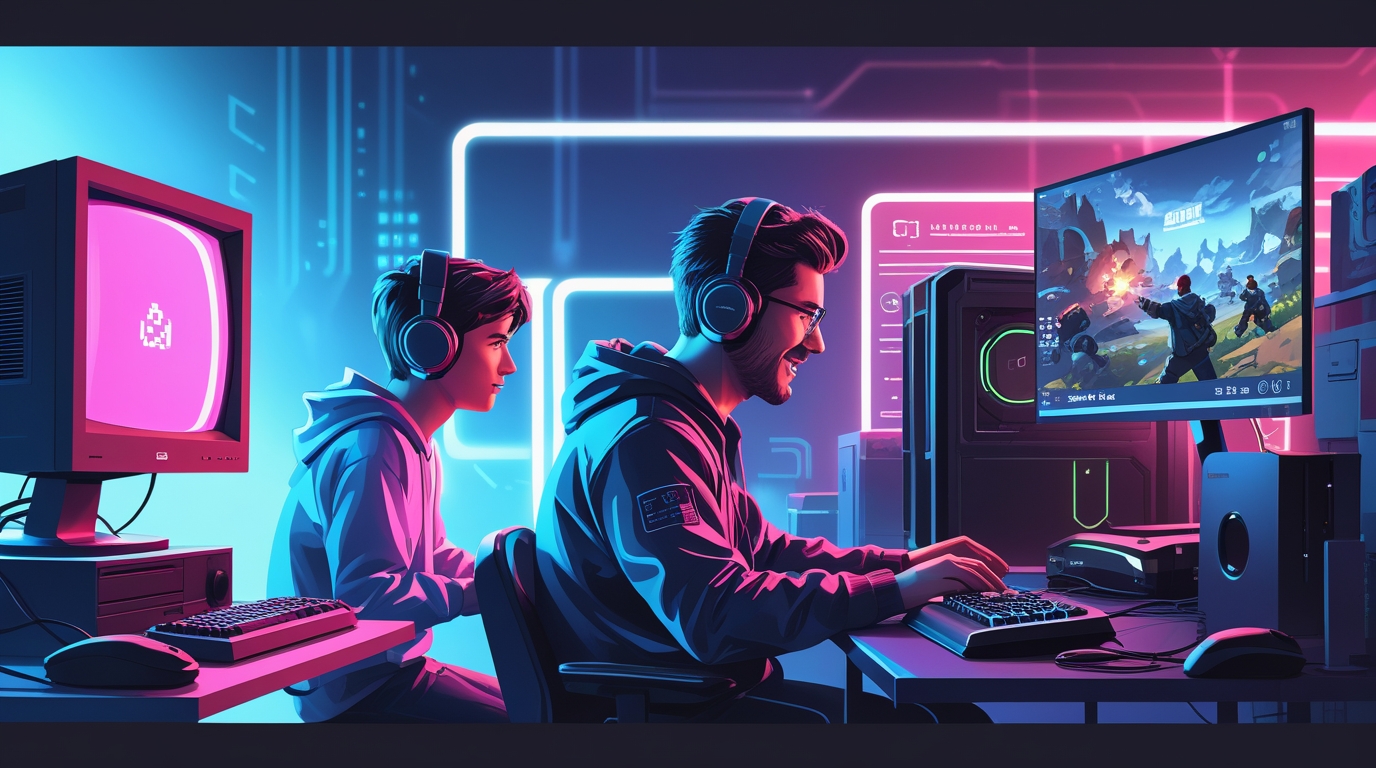
Gamers in their 20s and 30s are one of the most valuable and demanding audiences in today’s game development landscape. They started as offline gamers and have evolved into gamers who today want frequent updates, social interaction, and meaningful experiences, and have grown with the business. For studios and publishers, understanding this group is critical when developing, monetizing, and marketing games in 2026.
At Melior Games, we work closely with this audience across mobile, PC, and console projects, giving us a clear picture of how their habits have evolved and where they are headed next.
Who are gamers in their 20s and 30s?
This generation represents true gamers who live in a digital world. Their gaming habit, which typically began in infancy, has grown into a permanent hobby or way of life. Today, they are experienced gamers with high standards of quality, active in online communities, and willing to spend money if the value is clear.
They can quickly identify aggressive paywalls, superficial progression, and repetitive mechanics, unlike younger consumers.
What this audience prefers today
Depth of gameplay over superficial fun
Gamers in this age group prefer systems that reward mastery. They choose games with skill-based mechanics, clear progression and build-up, competitive balance, and long-term goals.
Short-term novelty wears off quickly for them. Retention depends on depth and fairness.
Social and Competitive Experiences
Gaming is no longer a solo activity. Playing games with friends, using voice chat and cooperative modes, competing in matchmaking, and keeping track of leaderboards are all highly social activities for gamers in their 20s and 30s.
Games like Valorant, Apex Legends, and Fortnite are popular because they combine competition, identity, and community.
Time-Saving Design
As careers and personal responsibilities grow, long gaming sessions become less appealing. This audience favors clear, short- and long-term goals, flexible savings mechanisms, and substantial progress across 20–30-minute sessions.
Games that respect players’ time consistently outperform those that rely on fatigue-based attention spans.
Ethical Monetization
Gamers in their 20s and 30s are willing to pay, but only when the monetization feels fair. They can buy cosmetic items, customizations, battle passes with transparent pricing, and additional content expansions.
For this category, pay-to-win strategies drastically lower trust and long-term retention.
What’s popular among them right now
Competitive online games
Skill-based social games dominate playtime, especially on PC and consoles. Competitive shooters, cooperative PvE, and PvP games remain the main drivers of engagement.
Indie and meaningful experiences
This audience actively supports indie studios and experimental projects. Compared to large, repetitive live games, shorter experiences with strong emotions and a clear creative identity often leave a much longer-lasting impression.
Games as Content and Entertainment
For this generation, games go beyond just playing. On websites like Twitch and TikTok, many people frequently watch broadcasts, esports, and brief videos. Modern games must therefore be both playable and watchable.
How Games Have Changed in the Last 20 Years
In the early 2000s, games were mostly offline and local. Most focused on single-player campaigns or couch cooperative sessions with buddies seated in the same room. Games could be purchased as physical copies, were released upon completion, and required little support. Once a game was released, its mechanics and content typically remained the same for years, with updates being rare.
The 2010s saw a dramatic shift in the industry. Multiplayer ceased to be an optional element as online gaming gained popularity. The use of competitive mechanisms such as rankings and leaderboards increased player engagement. Early free-to-play monetization schemes were also introduced during this time, which changed the way video games were funded and supported. Gaming became a social and competitive activity, attracting players from all over the world.
By the 2020s, games had evolved into living services and long-term ecosystems. Seasonal content, in-game events, frequent balance adjustments, and continuous upgrades became the norm. Beyond the game itself, developers started concentrating on communities, creators, and continuous engagement. For today’s 20-30-year-old gamers, games are platforms that evolve, adapt, and stay relevant over time.
Why this audience matters to game developers
Gamers in their 20s and 30s have purchasing power, influence trends and communities, and shape word-of-mouth and online perception.
Capturing this audience requires more than just beautiful visuals.
This requires thoughtful design, transparent monetization, and long-term engagement strategies.
How Melior Games creates games for this generation
At Melior Games, we design and develop games for a variety of age groups.
Our full-cycle Unity development approach combines gameplay, art, and monetization into a single experience that resonates with today’s gamers.
🚀 Let’s create a game that players grow with
When you’re planning a game, choosing the right development partner is critical.
👉 Work together with Melior Games to develop a game that respects players, grows with communities, and succeeds in the cutthroat market of today.


