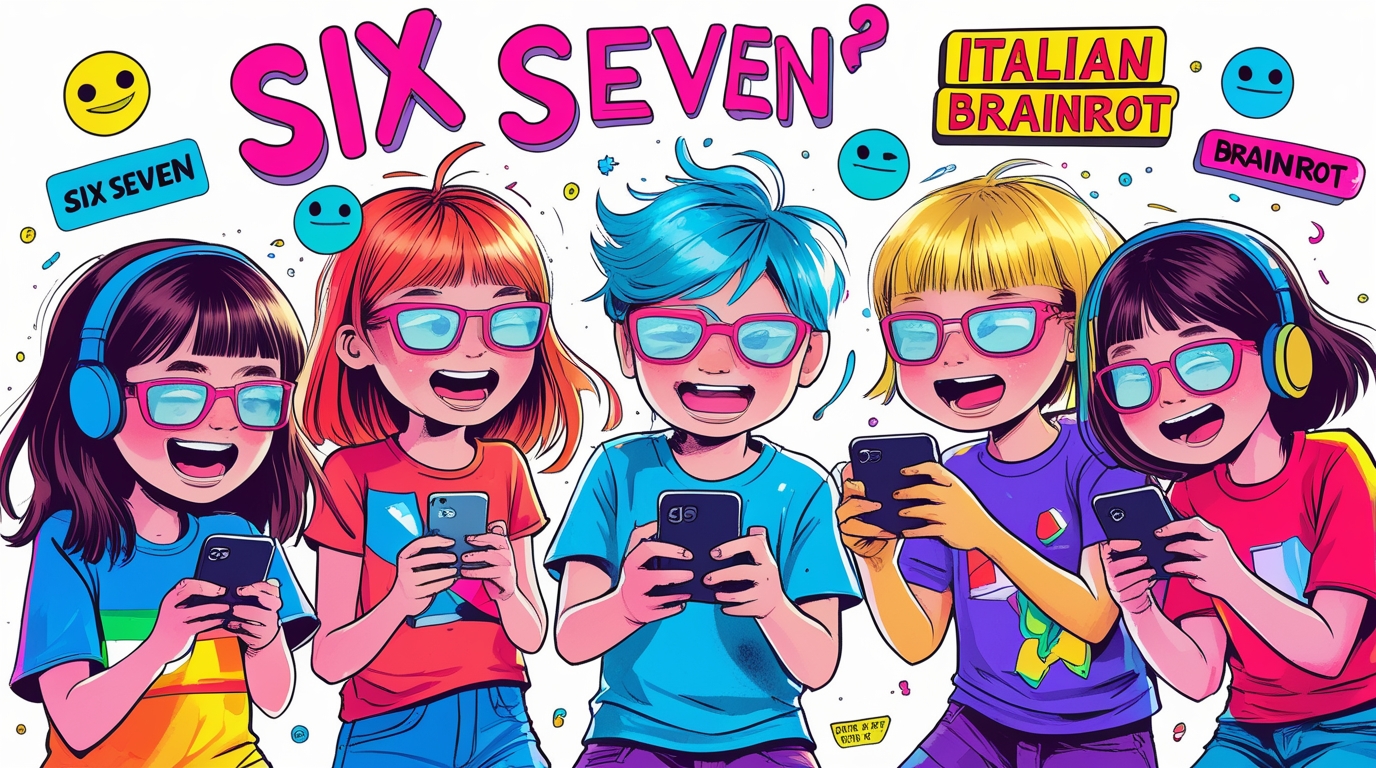
In recent years, a new category of mobile games has quietly taken over schoolyards, group chats, and short-form video platforms: so-called “brainrot games.”
These are not necessarily high-budget titles or deeply designed experiences. Instead, they are fast, repetitive, highly stimulating games paired with catchy sounds, memes, and phrases that spread like wildfire—especially among children.
But what exactly makes these games so successful? And why do their phrases become part of everyday language among students?
What are Brainrot games?
“Brainrot” is a slang term used to describe content that is extremely memorable, repetitive, and hard to put down, even if it’s simple or chaotic.
In games, this typically refers to hypercasual or idle mechanics, short gameplay loops, vivid, exaggerated visuals, meme-based humor, and audio.
They produce brief dopamine loops that players repeatedly return to.
Brainrot Language: From Screens to Classrooms
One of the most interesting aspects of brainrot games is how they translate into real life. Kids don’t just play them—they replay them.
Today, it is common to hear students casually uttering phrases like:
- “Let’s go!”
- “Easy win!”
- “Bruuu, stop!”
- “Too easy!”
- “I’m crazy!”
More recently, new meme phrases have begun to spread in schools, including:
- “six seven”—often repeated rhythmically without clear meaning, but recognizable in peer groups
- References to so-called “Italian brainrot” names—exaggerated, often nonsensical phrases stylized as dramatic or humorous Italian-sounding names
These phrases don’t always make logical sense, and that’s the point. Their value lies in their sound, rhythm, and shared recognition, rather than in their meaning. Children often repeat them, almost like inside jokes or verbal memes.
Why Brainrot games are so successful
1. Instant gratification
The foundation of Brainrot games is instant feedback. As every touch creates movement, music, or a reward, there is a constant sense of progress and stimulation.
2. Short, engaging loops
Game sessions are incredibly short, often lasting only a few seconds. Because of this, they can easily be repeated dozens of times in a row, developing lasting habits.
3. Audio-driven virality
Audio is one of the most powerful drivers of brainrot’s success.
Phrases like “six seven” and exaggerated Italian-style names work because they’re rhythmic, easy to imitate, emotionally expressive, and a little absurd.
This makes them ideal for repetition, parody, and sharing.
4. Empowering Social Platforms
Brainrot games thrive in ecosystems that rely on short-form content. Trends, sounds, and phrases spread faster thanks to websites like YouTube and TikTok.
Kids don’t just play—they watch, remix, and repeat. A phrase heard in a clip quickly becomes part of everyday speech.
5. Low cognitive load
These games require minimal thinking. The game does not require any strategy or tutorials for players to get started right away. This makes them especially appealing during short breaks, such as between classes.
6. Social Identity and Affiliation
Mentioning Italian game names like “brainrot” or repeating phrases like “six seven” are examples of social signaling.
This demonstrates awareness of trends, group affiliation, shared humor, and reference. That’s why these phrases are spreading so quickly in school environments.
Drawbacks that developers should consider
- While brainrot games can go viral quickly, they often struggle with long-term retention.
- The overstimulation and lack of content are frustrating for parents and teachers.
- The challenge for developers is to keep the game engaging while still providing depth and maintaining retention.
What game developers can learn
The brainrot trend highlights several important ideas:
- Simplicity and speed drive adoption
- Language and sound can be just as important as gameplay.
- Cultural relevance is evolving rapidly
However, the most successful games go beyond trends and create systems that keep players engaged for the long term.
Closing Thoughts
Brainrot games demonstrate how modern players interact with content, particularly younger ones. Repetition, sharing, and belonging are just as important as the game. For players, phrases like “six sevens” or exaggerated Italian-style titles are part of a common cultural vocabulary, even though they may seem random to outsiders.
At Melior Games, we help studios turn concepts into captivating, enduring gaming experiences that combine viral appeal with enduring value.


