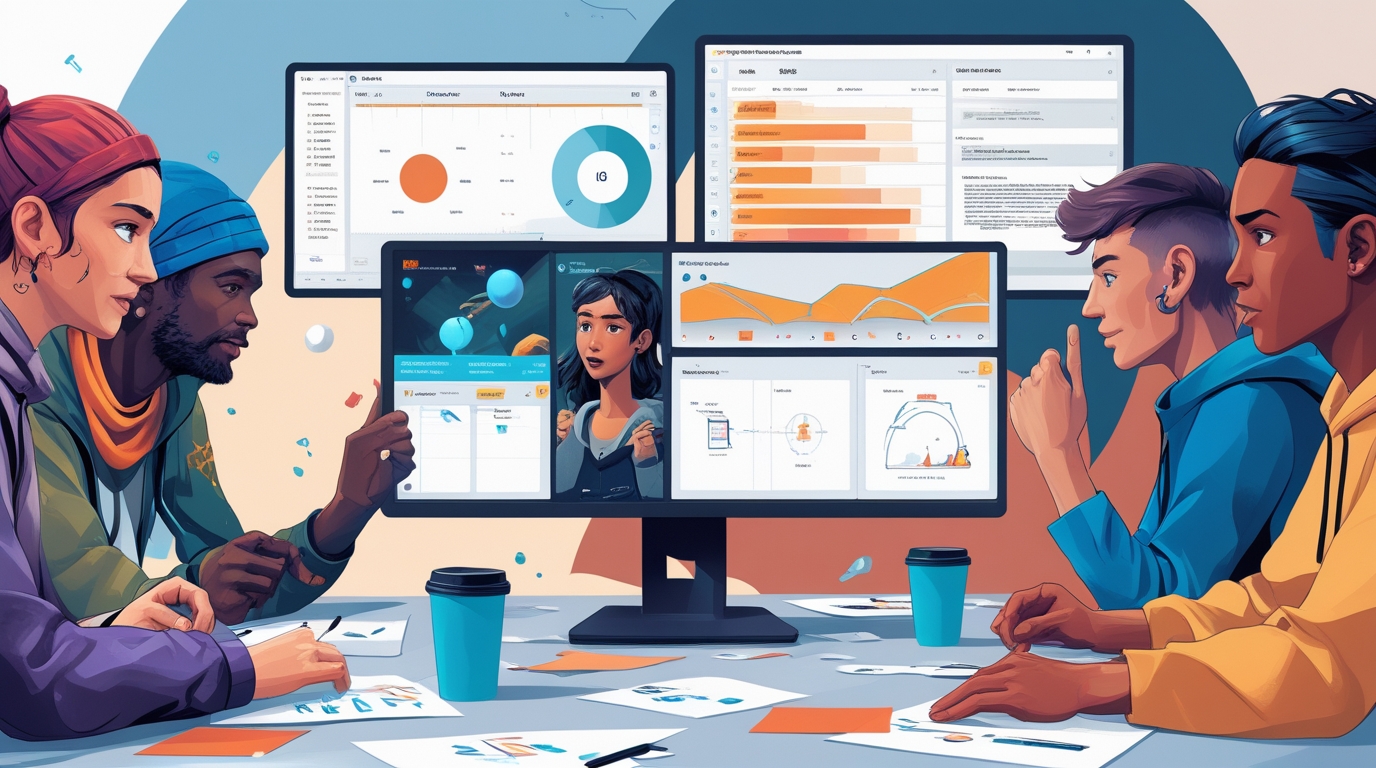
Technical stability alone is not enough for successful modern games. If players find the game confusing, irritating, or just plain dull, it is likely to fail. As a result, user-centered testing is becoming a crucial part of modern game development and is a basic process at Melior Games.
User-centered testing takes into account how real players engage with a game in addition to its technical features. It helps teams understand player behavior, expectations, emotions, and decision-making at every stage of development.
What is User-Centered Testing in Game Development?
User-centered testing is a testing approach that evaluates a game from the player’s perspective.
This type of testing integrates usability testing, gameplay testing, UX evaluation, and behavioral analysis. It is necessary to ensure that the game meets user expectations and habits.
Why User-Centered Testing Matters
Today’s gamers have little tolerance for difficulty. If the onboarding process is confusing or the first session seems difficult, many users will uninstall the game within minutes. User-centered testing helps prevent this by identifying issues that traditional QA often misses.
It helps teams create games that feel right, not just functional.
What It Looks Like in Practice
Early on in the development process, user-centered testing is conducted.
Testers focus on first impressions in early prototypes, such as controls, overall feel, and clarity of purpose. At this stage, even small findings can have a significant impact on core mechanics.
During development, testing focuses on progression, difficulty curves, UI clarity, and feature understanding. Here, teams often find hidden issues: imprecise menus or mechanics that users don’t understand.
User-centered testing aids in validating session duration, pace, monetization adoption, and long-term engagement closer to release. This guarantees that the game fulfills the target audience’s expectations.
User-centered testing vs. traditional QA
Traditional QA and user-centered testing serve different purposes. A feature can work exactly as intended and still confuse or annoy players. User-centered testing helps close the gap between player behavior and design intent.
At Melior Games, we integrate both approaches, ensuring technical stability while constantly testing the player experience.
Typical Problems Found by User-Centered Testing
Problems that might not be apparent during routine QA procedures are frequently found through user-centered testing. For example, players sometimes skip key mechanics even when tutorials are present, indicating that the explanations or hints for gameplay aren’t as clear as the developers intended. Additionally, testing may show that a progression mechanism is too cumbersome or slow, which may deter players from advancing to the game’s later stages.
You may find that UI elements, while technically functioning correctly, still feel confusing or unintuitive to players. User-centered testing can also reveal monetization that players find unfair or obtrusive, which could have a detrimental effect on their entire experience.
Such issues are rarely detected by automated tests, but they have a significant impact on player retention, satisfaction, and store reviews.
How Melior Games Implements User-Centered Testing
At Melior Games, during testing, developers explore player behavior and the choices they make while playing the game during test sessions with real players. They also recognize when users end a session or lose interest, which helps identify potential problems with the game.
The team also assesses emotional responses to key moments in the game, such as completing a task or receiving a reward. How players perceive the game’s difficulty and progression helps developers determine whether the experience is motivating or frustrating. The design is then improved, the UI and UX are modified, and the gameplay is balanced using the data collected during testing. This continuous feedback loop helps customers reduce development risk and significantly improve the game’s performance at launch.
The Business Advantage of User-Centered Testing
From a business perspective, it offers significant benefits throughout the development process. Early testing prevents costly rework by identifying usability and gameplay issues as early as possible.
Intuitive gameplay and balanced progression mechanisms increase player retention as they stay engaged longer. In the marketplace, games that value players’ time and offer a seamless gaming experience routinely do better and receive higher ratings.
🚀 Build games around players, not assumptions
Great games are defined by how players feel while playing. User-centered testing ensures that design choices are based on real-world behavior, not assumptions. Join forces with Melior Games to reduce launch risks. Our team will help you create an experience that players will want to come back to.
👉 Contact Melior Games to build your next successful game with us.


